20 Powerful Strategies For Finding Top TAJIR 4D Sites
Wiki Article
Tips For Responsible Gambling, And Bankroll Management At TAJIR4D
There's a moment every player experiences--the screen glows, the reels spin and the cards are dealt after which, for a moment everything else is unimportant. This is the reason why we choose to play. But underneath the excitement lies one thing that is the main difference between players who take gambling for entertainment from the people who struggle with it It's not the way to earn money. It's a cost, just like going to the movies or buying tickets to a concert. With platforms like TAJIR 4D, the games are designed to be engaging, but they are also developed with a slight edge. When you approach them without a plan for your money and your mentality is like walking into a casino and leaving your wallet on the floor. Responsible gambling isn't about cutting the fun from having fun, but it's about protecting the enjoyment so you can keep playing the next day. Here are ten key tips that will help you manage your bankroll and maintaining your healthy gambling habits.
1. Set a Budget Before You Log In and be sure to stick to It
This is the golden rule it is the principle that drives every other rule. Before you even launch the app or site, make a decision about what amount of money would be willing to lose. This amount is considered discretionary income - money left after bills, savings, and necessary expenses are taken care of. This isn't rent money that is grocery money, or money to pay for your children's school fees. Think of it as the cost of your entertainment during the duration of the week. When that money is gone, your time is finished. Be careful not to chase it around, do not dip into other accounts Don't try to convince the self "one other deposit" can turn things around. Be prepared to walk away when your budget is nearing zero is the single most important ability you can acquire.
2. Never Chase Your Losses
There are always losses as part of gambling. It is a fact that the house will always have the edge, so over time, you'll lose more than you win. Knowing this is crucial. Making losses a habit of placing bets ever more in order to try to recover all you've lost. It's the fastest route to a disaster. This is an emotional reaction, not a logical one. When you're down, your judgment is clouded by sadness and the desire to redemption. You make larger bets, make more risky bets, and you stray from your plan. This often leads to further losses. When you've hit your losses maximum for the session, accept that, close the application and then walk away. There will be another day to play.
3. Make sure you have separate wallets and E-Wallets to Gambling Funds
One method to keep your budget is to ensure that your gambling money is physically distinct from your regular spending cash. Consider using a dedicated e-wallet like OVO, Dana, or GoPay or even an additional copyright specifically for your gambling needs. Transfer your set entertainment budget to this account each start of the week or month. When the money from that specific wallet is gone, you're done. This is a firm blockage that blocks you from taking advantage of funds intended for other purposes. This also makes it easy to know exactly how much you're spending over time, thereby giving a full and accurate information about your gaming patterns.
4. Set time limits for Your Sessions
Just as money may disappear quicker than you expected just as time can be a lot more unpredictable. The enthralling nature of online slots and poker can make hours seem like minutes. It's easy to convince yourself you'll only play "just one or two hands" only to realize that the whole evening has gone by. Before you start playing, establish what time the session will be. Make an alarm sound on your phone. If it sounds off, this is your cue to sign out regardless of whether or not you're losing or winning. Regular breaks can help keep your mind on track and stops you from making snap decisions motivated by fatigue or mood swings. Step away from the screen take a stretch, re-connect to the real world.
5. Be aware of the games you're playing
Being ignorant is costly in the gambling world. Before you put real money on the line take the time to understand the games you're playing. How do you determine the RTP (Return for Player) of this particular slot? What are the rules for this particular variant of poker? What are side bets and how do they in Baccarat work? Many platforms, like TAJIR 4D, offer free "demo" or "play for fun" modes. Utilize them. Learn the rules, comprehend the odds, and gain a feel for the game's volatility without risking just a single rupiah. Knowing the rules is your best defense against costly errors. Anyone who knows the game is always in superior position to one who's merely thinking about it.
6. Use bonuses as tools, not free money
Our coverage of wagering rules has been thoroughly, and this is where our expertise yields rewards. Bonuses with a 40x requirement on Deposit+Bonus not "free money"--it's an obligation for a substantial amount of money to be wagered. Make use of bonuses wisely. Bonuses that pay low rates on an already-loved game could prolong your play time. High-wagering bonuses on an online game that has a high house edge could be unfavorable mathematically. Always review the terms and conditions before taking advantage of any offer. If a deal seems too amazing to be true the odds are that it comes with restrictions that make it extremely difficult to take the winnings.
7. Make use of the tools for responsible gambling You can get them
Sites that are reputable like TAJIR 4D require (and should be willing) to provide tools to assist you in staying in control. They're not there to punish you, they will help you to stay safe. Profit from them to the fullest extent possible. You are usually able to set:
Limits on Deposits: A maximum quantity you can deposit a single day, week or month.
Loss Limits: A cap on the amount you can take in a single period.
A reminder of session time: Alerts that pop up to remind you how long you've played.
Self-Exclusion: The option to stop yourself from accessing the website for a predetermined time (from 24-hours up to a number of years).
Limits to these when you are relaxed and in control is a powerful act of self-care.
8. Never gamble under the influence
This is a simple tip and is non-negotiable. The effects of alcohol, drugs and even strong emotions such as emotion or passion can impair your judgement. They weaken your inhibitions, and encourage you to take chances you wouldn't typically consider. If you're under the influence it's easy to let the discipline of your finances and your understanding of your approach go out the space. You make impulsive bets, you chase losses, and you pay for things which you'd like to keep. If you've had a drink or suffering from emotional distress quit gambling sites. There will be games on the table tomorrow, if you're in a good mood.
9. Balance Gambling and Other Hobbies
A healthy lifestyle is a healthy and balanced lifestyle. If gambling is your sole method of entertainment that's an indication of trouble. Be sure to have other interests or hobbies that have nothing to involve gambling. Spend time with family and with friends who aren't gambling. Find a good book. Get out for a hike. Have a play. Exercise. They not only add value to the quality of your life but also provide opportunities to unwind from gambling and help you maintain perspective. When gambling is merely one of many enjoyable activities it's easier to be able to keep it as a source of entertainment instead of turning into an obsession.
10. Be aware of the warning signs as well as where to find help
Then, be truthful with yourself about your behaviors. Being responsible with gambling means knowing when it might be becoming problematic. Signs to watch out for include:
Constantly thinking about gambling.
Falsifying family or friends about the amount you bet.
Possessions or money that you borrow to gamble.
Afflicting gambling on anxiety, stress or depression.
Being irritable and restless when trying to cut down.
If you spot any of these indications in yourself, you must seek help. You're not the only one. There are organizations within Indonesia and all over the world offer no-cost help and support that is confidential. A quick search online for "responsible gambling assistance Indonesia" will provide you with information and people who understand what experiencing. Check out the best https://tajir4donline.com/ for more info including game judi, situs judi, tournament slot, mini slot, slot 17, popular slot, bermain slot, slot web, permainan banyak, slot situs and more.
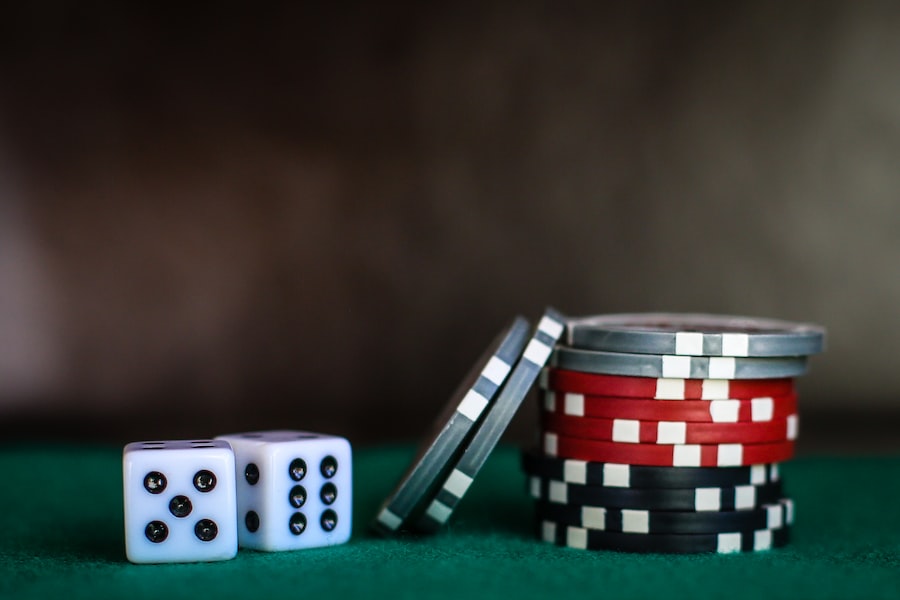
Common Poker Mistakes New Poker Players Make With TAJIR4D
There's a grim truth that every new player eventually encounters. It's a virtual table that's on a platform such as TAJIR4D, you've been through a few instructional videos knowing the hand rankings and are willing to go for the feel. Then, somehow your chips are gone. Then, again and again. The truth is that poker is a game of mistakes--specifically, making fewer of them than your opponents. Even the world's best players make mistakes, but have discovered how to eliminate the most costly ones to their strategy. For newbies, the gap between perceived knowledge and actual competence is often stuffed with predictable, unavoidable errors that drain your copyright and destroy confidence. Understanding these common traps are the very first steps toward closing your leaks and creating solid foundations to improve your game. Below are ten tips to learn about the most common mistakes new poker players make.
1. Involvement in Too Many Games
It's a common beginner's mistake, the one that distinguishes successful players from those who keep wondering what happened to their cash [TAJIR 4D1. When you're brand new the game, every hand can be intriguing. What's that 7-5 offsuit? Maybe it'll hit straight. Is that the Q-3 you're looking for? It's hard to say. But the math isn't kind. When you are playing more than 20-25 percent of your hands preflop is most likely to be a mistake most tables [citation 11. Successful poker is about perseverance and shrewdness. Try to play solid starting hands from good vantage points, while establishing the discipline not to fold other cards. The boredom of folding can be considerably less painful than loss of mediocre hands.
2. Not Paying Attention to Position
Beginners often make choices based only on their cards, ignoring the place they're at. The position you're in relative to the button that is the dealer is one of the most significant factors in each decision you make [citation: 2(2). Behaving in the final position of a betting round provides you with the enticing benefit of observing what everyone else is doing before committing chips. Beginners tend to play too many hands in the early position in which they are forced to act first despite having no prior knowledge. They're also not able to play more hands from late position as they have the ability to steal blinds and direct the action. If you're failing to adjust your choice of hand based on the position you're playing, you're losing money.
3. Making Losses, Chasing and Playing on Tilt
Poker is a sport of swings. Even the best players can lose the hands they could have won. The difference between professionals and amateurs is in how they cope with their losses. If a beginner is hit with a beat, they experience a shift in their emotional. They get into a mood known as "tilt"--frustration, anger, and an inexplicably high level of impulsiveness, which can lead to reckless choices [citation: 66. Then they begin to chase down losses by having more fun, making more bets, and arguing the bar with trash, and attempting to force a win to "get to even." This is almost never successful. The person who is obsessed with losing tends to dig a deeper hole. Recognizing when you're being swayed and being able to walk away even for 15 minutes is necessary for long-term survival [citation: 910].
4. Poor Bankroll Management
A lot of newbies think of their funds as one, undifferentiated pool of money. They'll play with whatever stakes are appealing regardless of whether their bankroll can handle the inevitable fluctuations [citation: 22. The most basic rule experienced players adhere to is the 1-2% rule do not risk more that 1-2% bankroll during a single game session or tournament buy-in [citation: 8]. If you have $100 in your poker account, you've no business playing in tournaments that have buy-ins for $20. The odds are that you'll go broke before you've had the chance to hit luck. Start at your lowest stakes. You can only move up after you've beat your current levels [citation: 5five.
5. Doing nothing and being afraid of aggression
Beginners often slip into an inactive mindset. They'll call when they're supposed to raise, make sure they know on when to bet while letting others direct their actions [citation 4]. It is especially prevalent in the blinds, where players have a tendency to walk into the blinds just to "see an easy flop" playing with weak hands [citation4]. The problem with passive game is that they never put pressure on the opponent and rarely makes the most value from your good hands. The best poker requires you to be aggressive. If you're playing a hand that you think is the best, put money on it and then raise it. If you're in the lead then don't just check it out, consider leading out. Intenseness makes mistakes for those around you and adds more opportunities when they're in the lead.
6. Calling too much and Bluffing Too Little
This mistake flows naturally from into passiveness. Beginning players call too frequently in particular on rivers [citation: 10This is the most common error made by beginners. They're "calling stations,"" paying off opponents' stakes in value with hands that cannot win. There's a psychological element to this--players do not want to feel they've been bluffed, and so they call just to "keep their opponents honest." Another side of the coin is that beginner players aren't very good at bluffing [TAJIR 4D010. They're afraid of getting caught and appearing foolish. It's the result of an established pattern: they prefer betting only when they've got powerful hands, and only withdraw when they are certain they'll get beat. The most experienced players are able to spot and make the most of this.
7. Not valuing the weakest hand or draw
Ace-king is beautiful before flop, however, if the flop doesn't hit you completely, it's just an ace-high. The first-time players fall in love with the big cards they start with and resist for them to go even when the board is clearly risky. Furthermore, the new players undervalue drawing hands. They'll play flush draws and straight draws without knowing the pot odds. They make huge bets, but with a slim chance of hitting [TAJIR4D]. When they do land their hand, they tend to aren't able to get maximum value in their bets by using check-raises with fancy names that can backfire [citation 1This is a citation for 1. Learning to fold a confident hand when the situation requires it is an indication of maturation.
8. Unaware of Opponents
A lot of beginners play as if they're sitting alone at the table all their attention is on their own choices and cards. However, poker is a sport of people, not only cards [citation: 22). Professional players always observe their opponents. Who plays close? Who plays loose? Who gives in to pressure? Who makes calls with weak hands? What happens when you are angry after losing? The information you gather is worth gold. On platforms like IDN Poker, you have tools to take notes on players. Use them. Anyone who does not pay attention to their opponents is playing a totally different -- and very less profitable --game than the player who is attentive to everyone sitting around the table.
9. The Tables Are Too Full or for Too Long
The format online entices players to play at their maximum. Six tables, four tables, and more -- the action never ceases. If you're a beginner this can be a huge disaster [citation: 56. The ability to read opponents, learn to recognize bet sizing patterns, or even spot the signs when you're frantically clicking buttons as you try to manage the six simultaneous games. Start with one or two tables at a maximum. Be attentive. Note down your observations. Consider each decision carefully. In the same way, playing for hours without taking breaks causes fatigue, which leads to mistakes [TAJIR 4D]. Your brain is in need of rest. You should take regular breaks, move away from the screen, and then return refreshed.
10. Inability to learn and study through Mistakes
The final mistake is the meta-mistake: failing to improve. Many players lose in defeat, then sit down again the next day and repeat the same mistakes [citation 7]. Poker is a game that requires continual learning. The successful players are those who analyze their play, find their issues, and are actively working to fix them [TAJIR4D]. This might involve reading articles as well as watching training videos, having a discussion with more experienced players, or simply taking the time following each session to think about key decisions. If your playing isn't improving, you're losing ground, as somewhere you're competing with your competitors to beat you.